Nuclease for Microbial Biomass Extracts and Fermentation Media Ingredients
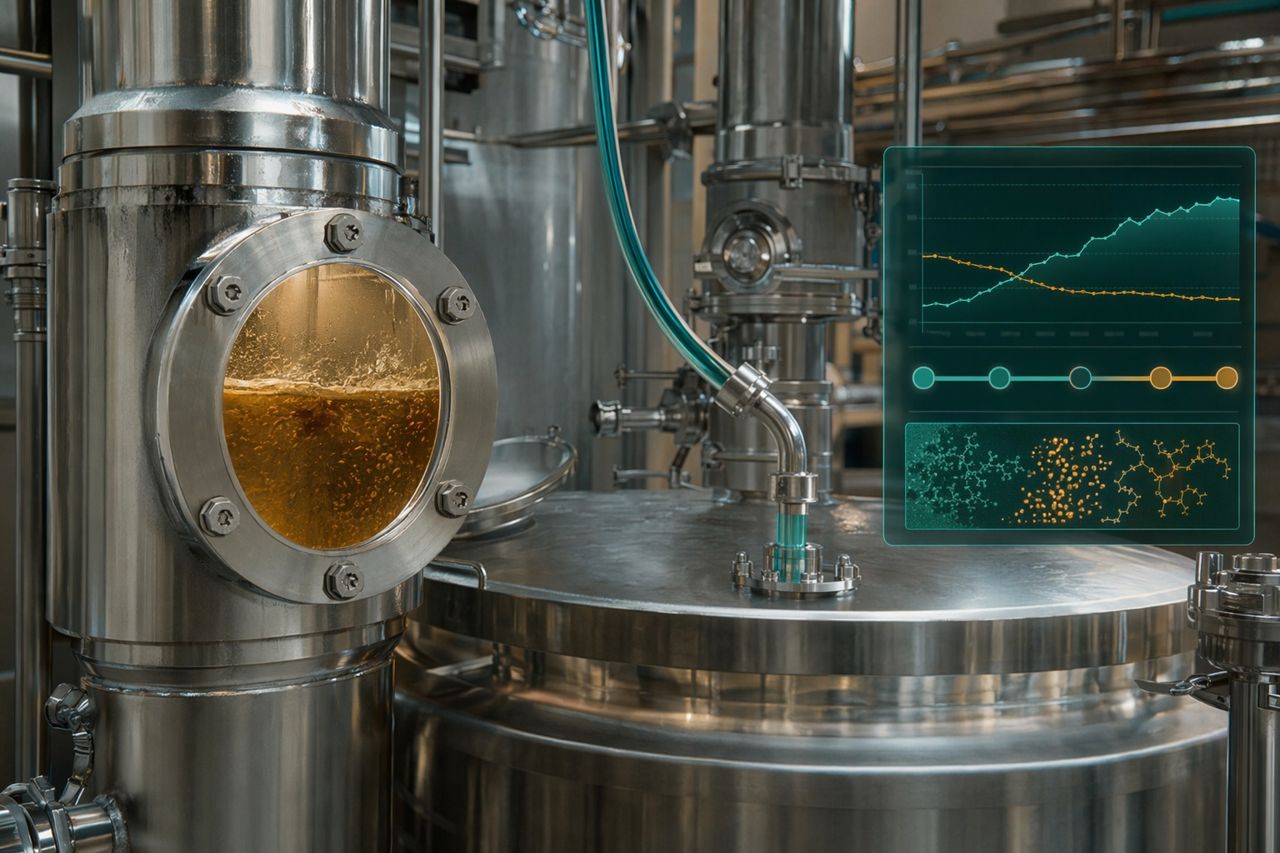
Enzymegen supplies nuclease enzyme solutions for fermentation ingredient manufacturers processing yeast extract, bacterial biomass streams, and cell-derived nutrient inputs. Our focus is practical: help plants manage nucleic acid breakdown, viscosity, extract clarity, nucleotide contribution, and batch-to-batch media consistency without adding unnecessary process complexity.
For buyers looking for an enzyme supplier for fermentation media production, Enzymegen supports substrate evaluation, hydrolysis window development, scale-up alignment, and commercial documentation for routine manufacturing.
Built for biomass-derived media ingredients
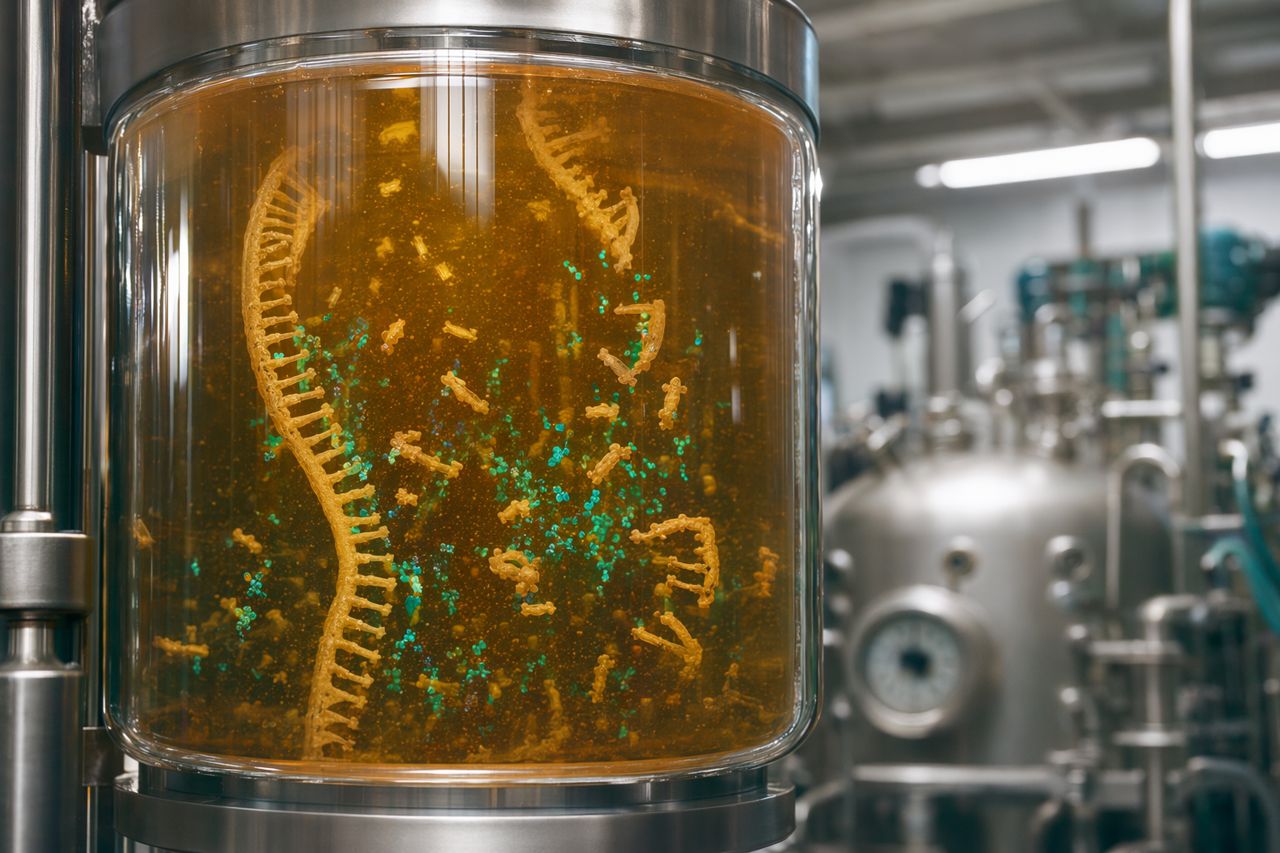
Microbial biomass can be a valuable source of nitrogen, peptides, minerals, growth factors, and nucleotide-related nutrients. It can also be difficult to process consistently. DNA and RNA content may contribute to high viscosity, poor separation behavior, variable extract profiles, and downstream handling issues.
Enzymegen nuclease solutions are used to support controlled nucleic acid hydrolysis in ingredient operations such as:
- Yeast extract production
- Autolysate and hydrolysate preparation
- Bacterial biomass extract processing
- Cell-derived nutrient ingredient manufacturing
- Fermentation media base and feed ingredient production
- Process streams where nucleic acid reduction improves handling, filtration, or consistency
Where nuclease creates commercial value
Lower viscosity for easier processing
Nucleic acids can increase broth or lysate viscosity, especially after cell disruption or thermal treatment. A controlled nuclease step can help reduce viscosity so the stream is easier to mix, pump, separate, and concentrate.
For manufacturers, this can support:
- More predictable transfer behavior
- Reduced load on downstream clarification equipment
- Improved handling during concentration or drying
- Fewer process adjustments between biomass lots
More consistent extract performance
Media ingredient customers expect consistency. Variation in nucleic acid breakdown can affect soluble solids behavior, nutrient profile, and how an extract performs in fermentation.
Enzymegen works with manufacturers to define enzyme use conditions around the actual substrate, not a generic brochure assumption. The goal is a repeatable hydrolysis profile that fits your process and customer specification.
Support for nucleotide-rich ingredient design
In some media applications, nucleotide-related components are not simply impurities; they may be part of the nutritional value proposition. Nuclease selection and process control should therefore match the intended ingredient profile.
Enzymegen can support applications where the target is:
- Reduced molecular-weight nucleic acid contribution
- Improved soluble nucleotide-related fraction availability
- Defined extract behavior in microbial or cell culture media systems
- Better alignment between hydrolysis conditions and final ingredient positioning
Process fit matters more than enzyme name
A nuclease used in fermentation media ingredient production must fit the realities of industrial processing: biomass variability, heat history, pH adjustment, solids loading, salt concentration, separation method, and downstream thermal steps.
Enzymegen evaluates the nuclease application around questions that matter at plant scale:
- What biomass source is being processed?
- Is the stream yeast, bacterial, fungal, or mixed microbial material?
- Is nucleic acid hydrolysis performed before, during, or after lysis?
- Is the process batch, semi-batch, or continuous?
- What viscosity, clarification, or soluble profile target is required?
- What downstream step will stop or limit further enzyme activity?
- What documentation is required for the customer and market?
Typical use points in an ingredient plant
Nuclease integration depends on the production route. Common evaluation points include:
-
Post-lysis treatment
Nuclease is added after cell disruption, autolysis, or enzymatic lysis to reduce nucleic acid chain length and improve stream handling. -
Combined hydrolysis step
Nuclease may be evaluated alongside protease or other processing enzymes when the goal is a coordinated nutrient release profile. -
Pre-clarification conditioning
Treatment before centrifugation or filtration can help reduce viscosity and support cleaner separation behavior. -
Extract profile adjustment
The nuclease step can be tuned to support a target balance of soluble nucleotides, nitrogen compounds, and processability.
Scale-up support from bench to production
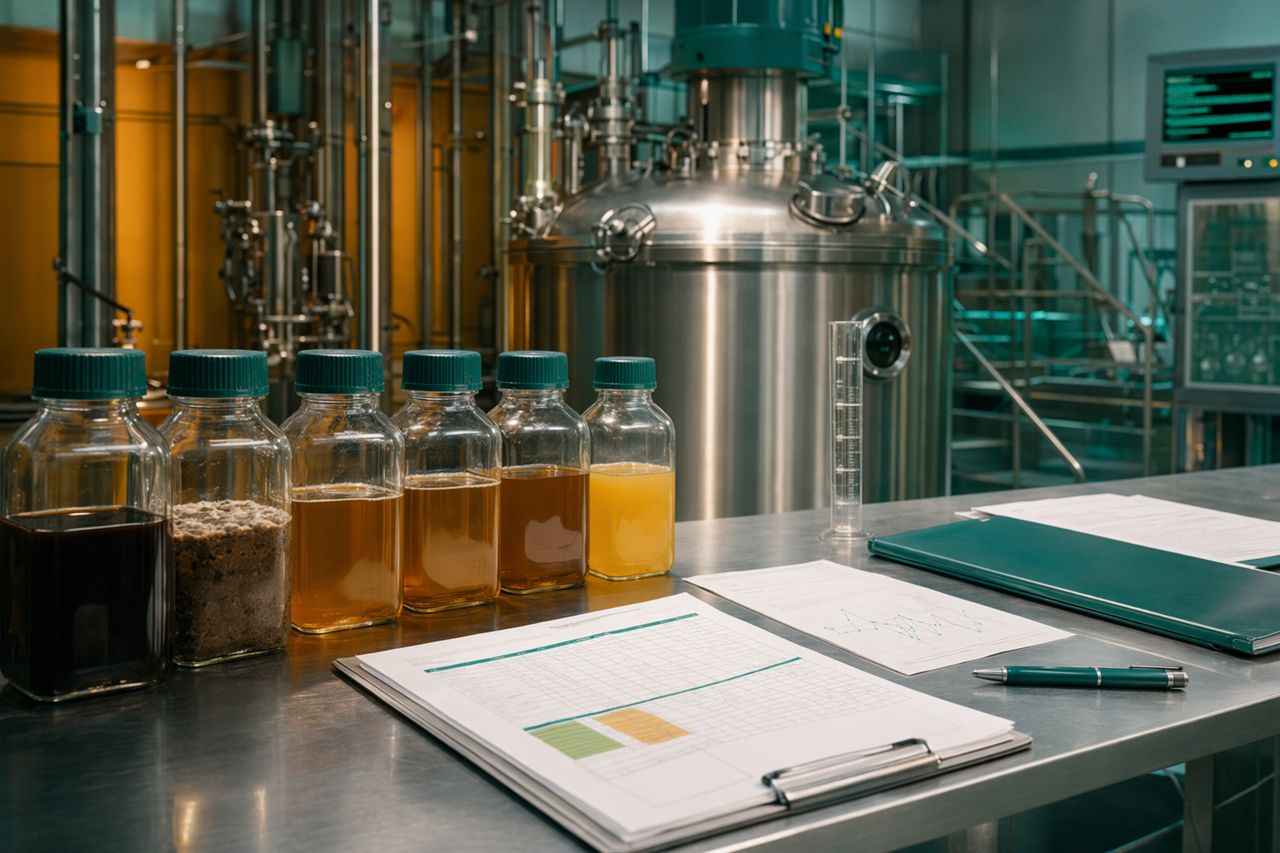
Enzymegen supports process development managers with a controlled path from screening to plant use. We do not treat scale-up as a simple dosage conversion. Mixing, residence time, solids loading, temperature ramping, and downstream hold conditions can all affect commercial performance.
Our support can include:
- Substrate intake review and application mapping
- Lab-scale screening guidance
- Hydrolysis condition recommendations
- Compatibility review with protease or other processing enzymes
- Pilot-scale transition support
- Production trial planning
- Batch record input and handling guidance
- Documentation package review for procurement and quality teams
Documentation for B2B qualification
Fermentation ingredient manufacturers need more than a sample. They need supply confidence, batch traceability, and documentation that supports internal approval and customer-facing quality systems.
Enzymegen can provide commercial support materials aligned with the supply stage, such as:
- Product specification documentation
- Safety and handling information
- Allergen and regulatory support statements where applicable
- Lot traceability information
- Change-control discussion for qualified supply
- Technical data for process evaluation
- Packaging and lead-time planning for production use
Applications in fermentation media production
Enzymegen nuclease solutions are relevant where microbial biomass is converted into nutrient ingredients for fermentation. Typical customer applications include:
- Industrial fermentation media bases
- Yeast extract and yeast autolysate ingredients
- Bacterial extract ingredients
- Nutrient-rich feeds for production fermentation
- Growth-support ingredients for microbial process development
- Cell-derived nitrogen and nucleotide sources
- Custom media ingredient blends
Why manufacturers choose Enzymegen
Enzymegen is built for industrial enzyme supply into one practical context: improving fermentation ingredient production. We focus on how enzymes behave in real process streams and how that behavior translates into measurable manufacturing outcomes.
You can expect:
- Direct technical discussion with substrate and process context
- Commercially realistic recommendations
- No inflated claims disconnected from plant operation
- Support for viscosity, hydrolysis control, and media consistency goals
- Documentation suitable for B2B qualification
- Supply planning aligned with production schedules
Request a quote
If you are evaluating nuclease for yeast extract, bacterial biomass, or other cell-derived fermentation media ingredients, send us your process context and target outcome. Enzymegen will review the application and recommend a supply path for sampling, qualification, or production use.