From Raw Protein to Soluble Nutrient: Inside the Manufacturing Logic of Media Hydrolysates
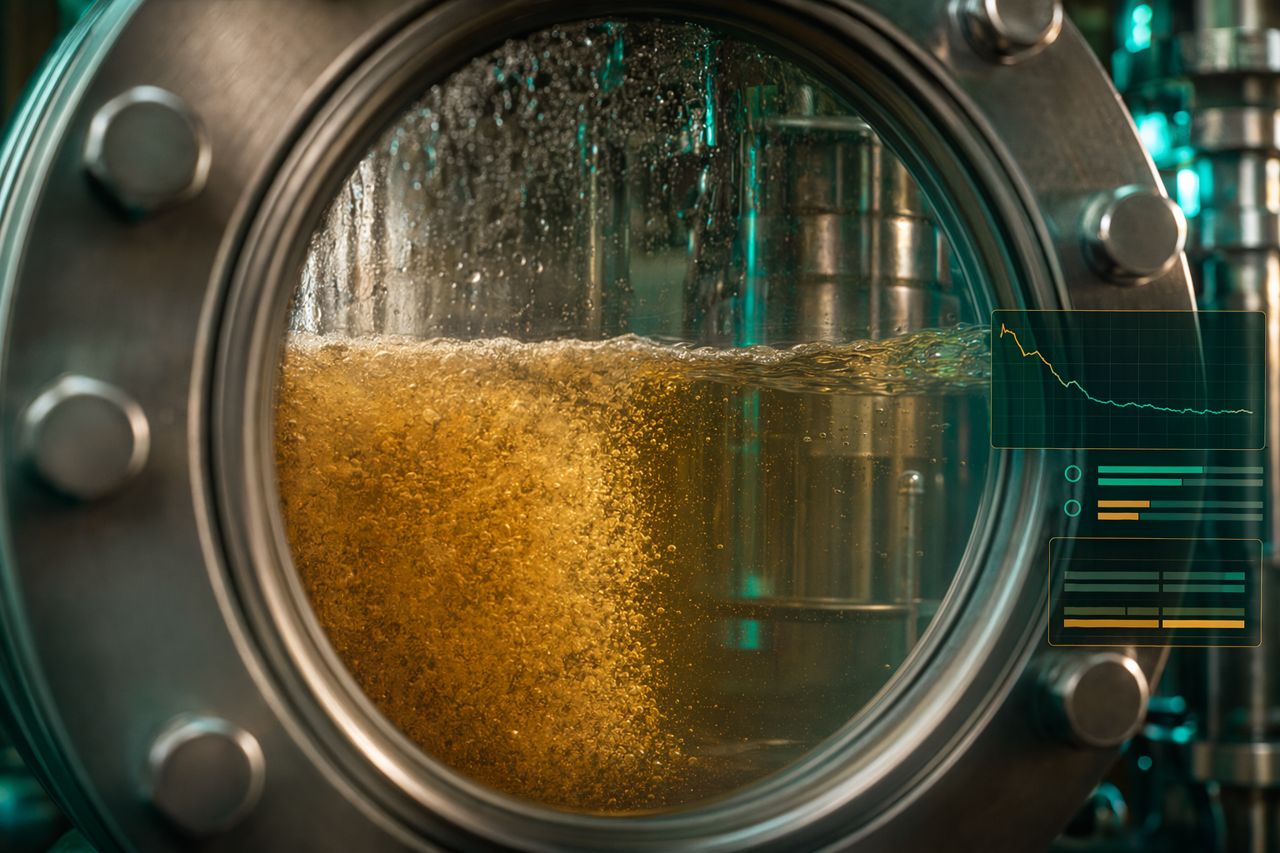
Fermentation media hydrolysates look simple on a batch sheet: a protein source, an enzyme system, controlled processing, clarification, and drying or liquid finishing. In production, the logic is more demanding. A media hydrolysate must convert variable raw protein into a soluble nutrient stream that performs predictably across microbial, fungal, or cell-based fermentation processes.
For a fermentation ingredient manufacturer, the goal is not to make the most completely degraded material possible. The goal is to manufacture a usable nutrient profile: soluble nitrogen, accessible peptides, process-compatible carbohydrates where relevant, controlled bitterness or color where needed, and low batch-to-batch variability.
Enzymegen works as an enzyme supplier for fermentation media production where hydrolysis must be commercially useful, scalable, and documented—not merely interesting at bench scale.
Why raw protein needs process logic, not just enzyme addition
Raw protein substrates bring structure, variability, and manufacturing constraints. Soy, wheat, corn, yeast-derived, animal-free, or other plant protein streams may differ in:
- protein accessibility after upstream processing
- fiber, starch, lipid, or mineral background
- heat history and denaturation state
- viscosity during hydration
- soluble solids behavior during separation
- color, odor, and downstream media compatibility
Adding an enzyme without substrate-specific logic can create inconsistent hydrolysis, poor filtration behavior, or nutrient fractions that do not transfer cleanly into fermentation performance.
Good hydrolysate manufacturing starts with a practical question: what nutrient function should this ingredient deliver in the fermenter?
The manufacturing target: soluble, consistent, fermentable nutrition
A hydrolysate for fermentation media is usually designed around several linked outcomes.
1. Soluble nitrogen availability
The first requirement is a soluble nutrient fraction that can be handled, dosed, sterilized, and consumed in the production process. Enzymatic hydrolysis opens protein structures and releases peptide fractions that are more available to the organism than the untreated raw material.
The desired endpoint depends on the customer’s fermentation system. Some applications prefer broader peptide distribution. Others need more controlled release to avoid excessive osmotic load, color formation, or unwanted shifts in growth behavior.
2. Peptide profile control
Hydrolysis is not only about increasing solubility. It is also about controlling the pattern of nutrient fragments generated during processing. Peptide size distribution, free amino acid tendency, and residual macromolecular material can all influence media clarity, feed strategy, and fermentation kinetics.
For process development teams, this matters because the hydrolysate becomes part of the biological control strategy. A change in peptide profile can alter growth rate, byproduct formation, oxygen demand, and final titer.
3. Process compatibility
A technically successful hydrolysate must also survive manufacturing reality. That means attention to:
- slurry handling and viscosity
- heat and pH windows compatible with existing equipment
- reaction control during hold time
- separation load after hydrolysis
- drying behavior or liquid stability
- microbial control and documentation expectations
The best enzyme fit is not always the most aggressive option. It is the one that delivers the target nutrient profile inside the customer’s actual plant constraints.
What enzymes contribute in hydrolysate manufacturing
Enzyme systems help convert raw protein and associated substrate components into soluble, usable nutrition. In fermentation ingredient production, the enzyme selection is typically built around the substrate and the intended media function.
Protease systems
Proteases are central to protein hydrolysate manufacturing. They open structured proteins and generate peptide fractions that support microbial growth and product formation. Different protease approaches can shift the balance between larger peptides, smaller peptides, and amino acid-rich fractions.
For B2B production, the question is not simply which protease is strongest. It is which protease system creates the most repeatable nutrient outcome with acceptable taste, color, filtration, and process economics.
Carbohydrate-active support
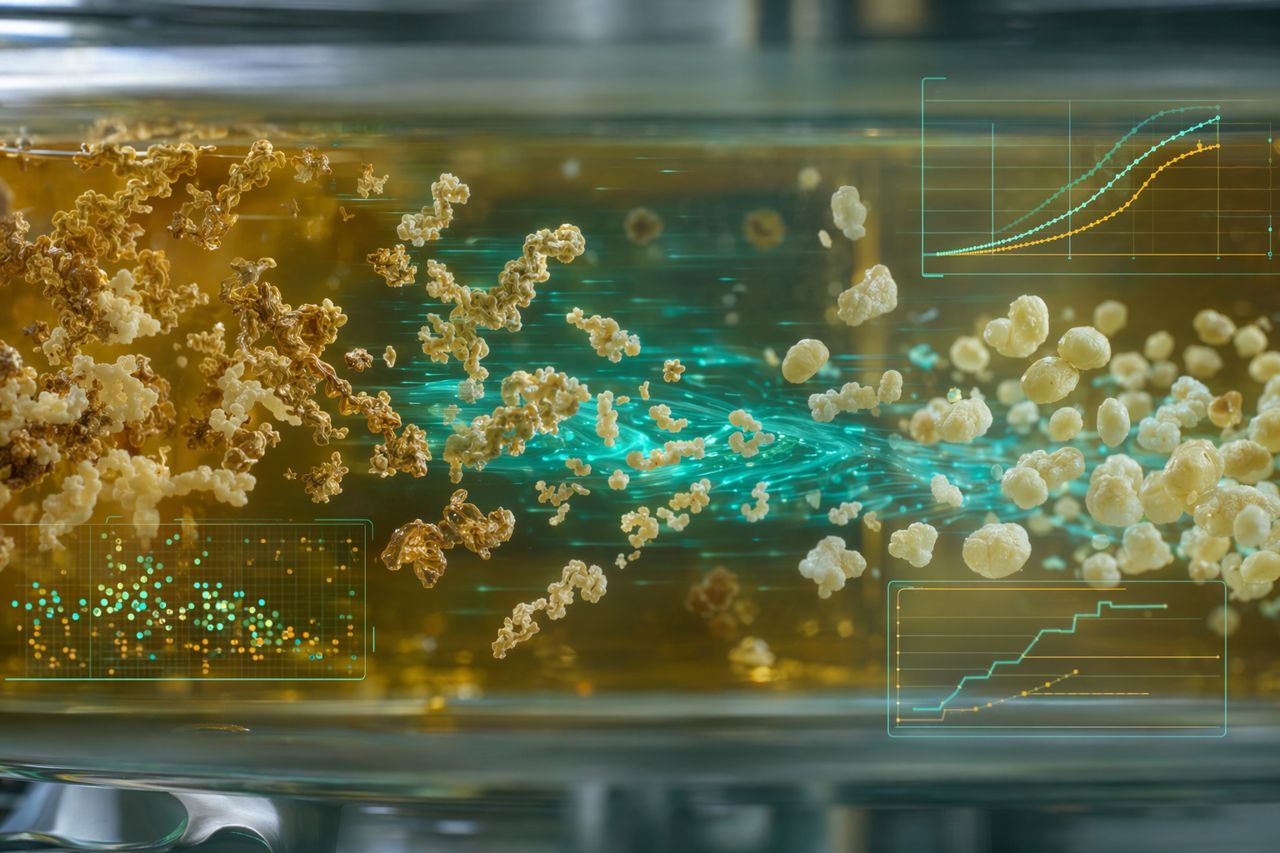
Many raw protein streams carry starch, fiber, or cell wall material. In those cases, supporting enzymes can help reduce viscosity, improve slurry processing, increase soluble extract, or improve clarification behavior.
This does not replace proteolysis. It supports the manufacturing route by making the substrate easier to process and the hydrolysate easier to standardize.
Sequential or staged hydrolysis
Some manufacturers use staged hydrolysis logic: hydrate and condition the substrate, apply one enzyme function, adjust the process window, then apply another. This can improve control over viscosity, solubility, separation, and peptide development.
Staging is especially useful when the process must balance nutrient release with color control, filterability, and downstream media consistency.
The hidden challenge: batch-to-batch consistency
Fermentation customers notice variation quickly. A hydrolysate batch that looks acceptable on a certificate may still change growth curves or production titers if the nutrient profile shifts.
Consistency depends on more than raw material purchasing. It requires a controlled relationship between substrate, enzyme system, process window, and finishing method.
Manufacturers should evaluate hydrolysate consistency through practical process indicators, such as:
- soluble solids trend
- nitrogen solubility trend
- viscosity behavior during reaction
- clarification performance
- color development
- microbial suitability for the target media application
- fermentation response in customer-relevant models
The purpose is not to overcomplicate production. The purpose is to prevent avoidable variation from becoming a customer qualification problem.
Scale-up changes the hydrolysis problem
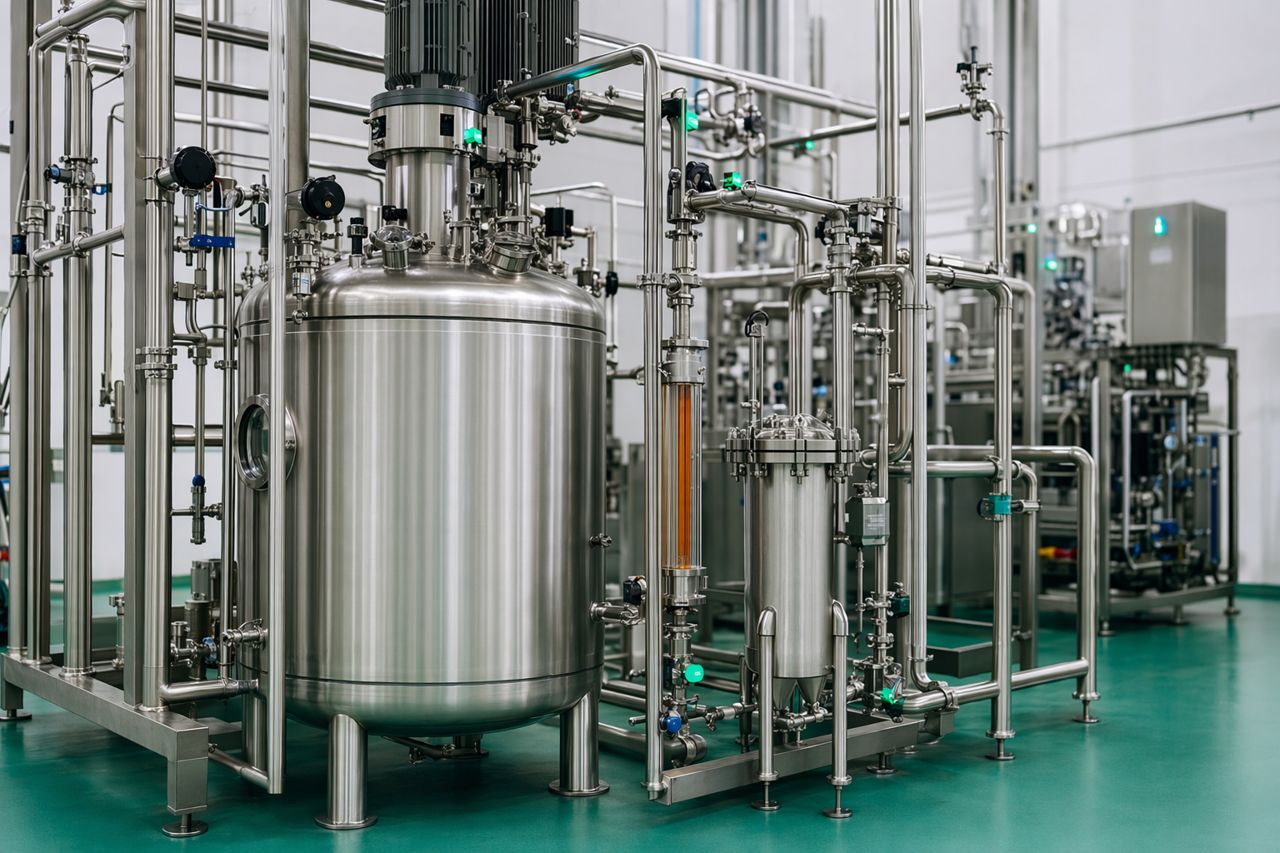
Bench hydrolysis can hide issues that become expensive at production scale. Mixing intensity changes. Heating and cooling take longer. pH adjustment is less instantaneous. Slurry transfer can alter residence time. Separation equipment sees a different solids load than expected.
A commercial enzyme program should therefore account for scale-up from the beginning.
Key scale-up questions include:
- Can the substrate hydrate uniformly at plant solids levels?
- Does viscosity remain manageable before and during hydrolysis?
- Is the reaction endpoint controllable within normal production time?
- Does the hydrolysate separate cleanly enough for the selected equipment?
- Does the finished ingredient meet customer media performance expectations across batches?
This is where technical enzyme supply becomes more valuable than catalog selection. The manufacturer needs a partner who can connect enzyme function to plant operation and fermentation buyer requirements.
Documentation matters because media ingredients are qualified, not casually swapped
Fermentation ingredient buyers usually qualify media components through structured testing. Once a hydrolysate is accepted, they expect stability in sourcing, composition, documentation, and production behavior.
For ingredient manufacturers, that creates a documentation burden upstream. Enzyme inputs should support clear records around lot traceability, specification alignment, recommended storage, process use guidance, and change communication.
Enzymegen supports manufacturing conversations where enzyme choice is tied to production documentation and downstream customer confidence.
Practical decision points for manufacturers
When reviewing an enzyme program for protein hydrolysate production, process development and manufacturing teams should ask:
- What is the target media function? Growth acceleration, titer support, stress tolerance, feed flexibility, or cost reduction may require different hydrolysate profiles.
- What substrate variability must be absorbed? Protein source, heat history, insoluble load, and co-components affect enzyme performance.
- What process window is realistic? Temperature, pH, solids, residence time, and equipment constraints define the practical enzyme choice.
- How will hydrolysis be stopped or stabilized? Endpoint control matters for repeatability and downstream handling.
- How will success be measured commercially? The real test is not only solubility. It is whether the hydrolysate helps customers achieve consistent fermentation performance.
Where Enzymegen fits
Enzymegen supplies enzyme solutions for manufacturers producing fermentation media ingredients and nutrient hydrolysates. Our role is to help teams connect substrate fit, hydrolysis control, media consistency, and scale-up support into a workable production route.
We do not need to know proprietary customer recipes to be useful. We can work from substrate type, process constraints, target hydrolysate behavior, and the performance requirements your fermentation customers are asking for.
Typical support areas include:
- enzyme selection for protein-rich substrates
- hydrolysis process guidance within plant constraints
- support for soluble nutrient development
- troubleshooting viscosity, clarification, or endpoint variability
- documentation alignment for B2B ingredient supply
- scale-up discussion from trial to commercial batch
Request a quote
If you are developing or optimizing a protein hydrolysate for fermentation media, Enzymegen can help evaluate enzyme fit and supply options for your manufacturing route.
Use the on-site request a quote form and include your substrate type, production format, target media application, and any process constraints you already know. We will respond with a practical next step for technical and commercial review.