Fermentation Media Ingredient Procurement: What Buyers Ask Before Approving a New Nutrient Source
Fermentation media buyers are not only buying a protein hydrolysate, carbohydrate stream, yeast-derived input, or specialty nutrient. They are buying reduced risk in a live production system.
For a fermentation ingredient manufacturer, that means technical fit and commercial reliability have to be proven together. A sample that looks promising in a flask may still fail procurement review if the documentation is thin, the hydrolysis profile is poorly controlled, or the supplier cannot explain how scale-up will be supported.
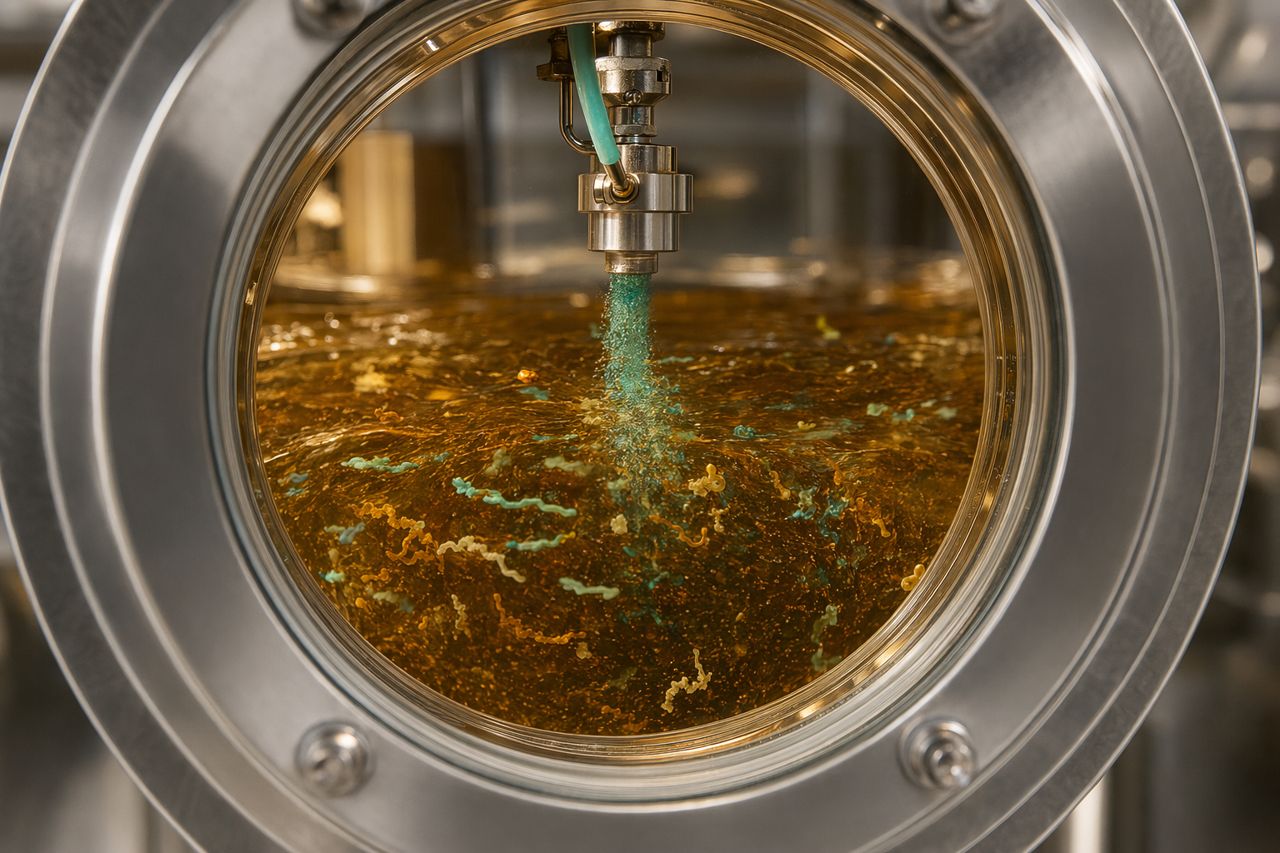
This is where the right enzyme supplier for fermentation media production becomes commercially important. Enzyme selection affects how raw substrates are converted into available nitrogen, peptides, sugars, and growth-supporting fractions. It also affects consistency, filtration behavior, sensory load, and the confidence end-users have in approving a new media ingredient.
The first buyer question: What substrate is this built from?
Procurement teams and process development managers usually start with the raw material story.
They want to know:
- Is the substrate plant, microbial, dairy, marine, or animal-derived?
- Is the source compatible with the end market and regulatory position?
- Does the ingredient introduce allergens, restricted materials, or labeling issues?
- Can the substrate supply remain stable across seasons and regions?
- Is the substrate profile narrow enough to support repeatable hydrolysis?
For ingredient manufacturers, substrate flexibility can be an advantage, but only if it is controlled. Buyers are cautious when a supplier claims that several feedstocks can produce the same result without explaining how the process compensates for differences in protein structure, starch composition, lipid load, ash, or inhibitory components.
A credible answer connects the substrate to the conversion strategy. If the raw material changes, the enzyme system, process window, and in-process controls need to be defined clearly enough for the buyer to understand how consistency is protected.
The second question: How controlled is the hydrolysis profile?
Fermentation media customers rarely want a generic hydrolysate. They want a nutrient source that behaves predictably in their organism, vessel, and feeding strategy.
Hydrolysis control is central to that decision. Buyers will ask whether the process consistently delivers the target balance of:
- Free amino nitrogen and peptide fractions
- Soluble carbohydrates and oligosaccharides
- Low-burden insolubles for downstream handling
- Acceptable viscosity for pumping, blending, and sterilization workflows
- Minimal batch-to-batch drift in nutrient release
The commercial issue is not whether an enzyme can break down a substrate. It is whether the ingredient manufacturer can repeatedly stop the breakdown at the point that best supports fermentation performance.
For B2B buyers, the strongest evidence is not a broad claim about digestion. It is a process narrative: selected enzymes, defined reaction conditions, clear stop points, and a quality system that links hydrolysis parameters to finished ingredient specifications.
The third question: Will it improve fermentation performance without creating new problems?
End-users evaluate media ingredients by what happens in the fermenter.
Common procurement and process-development concerns include:
- Does the ingredient support faster growth or stronger production phase behavior?
- Does it help stabilize titer across lots?
- Does it reduce lag time or nutrient limitation?
- Does it create foam, color, odor, precipitation, or filtration issues?
- Does it interfere with sterilization, feed preparation, or downstream recovery?
- Does it help simplify the media bill of materials?
A new nutrient source does not need to solve every issue. It does need a clear use case. For example, an enzymatically hydrolyzed protein ingredient may be positioned for improved nitrogen availability and peptide diversity. A carbohydrate-derived stream may be positioned for controlled carbon release or consistent feed preparation. A yeast-derived ingredient may be positioned for micronutrient contribution and growth support.
The buyer wants the fit to be specific.
The fourth question: Can the supplier support scale-up?
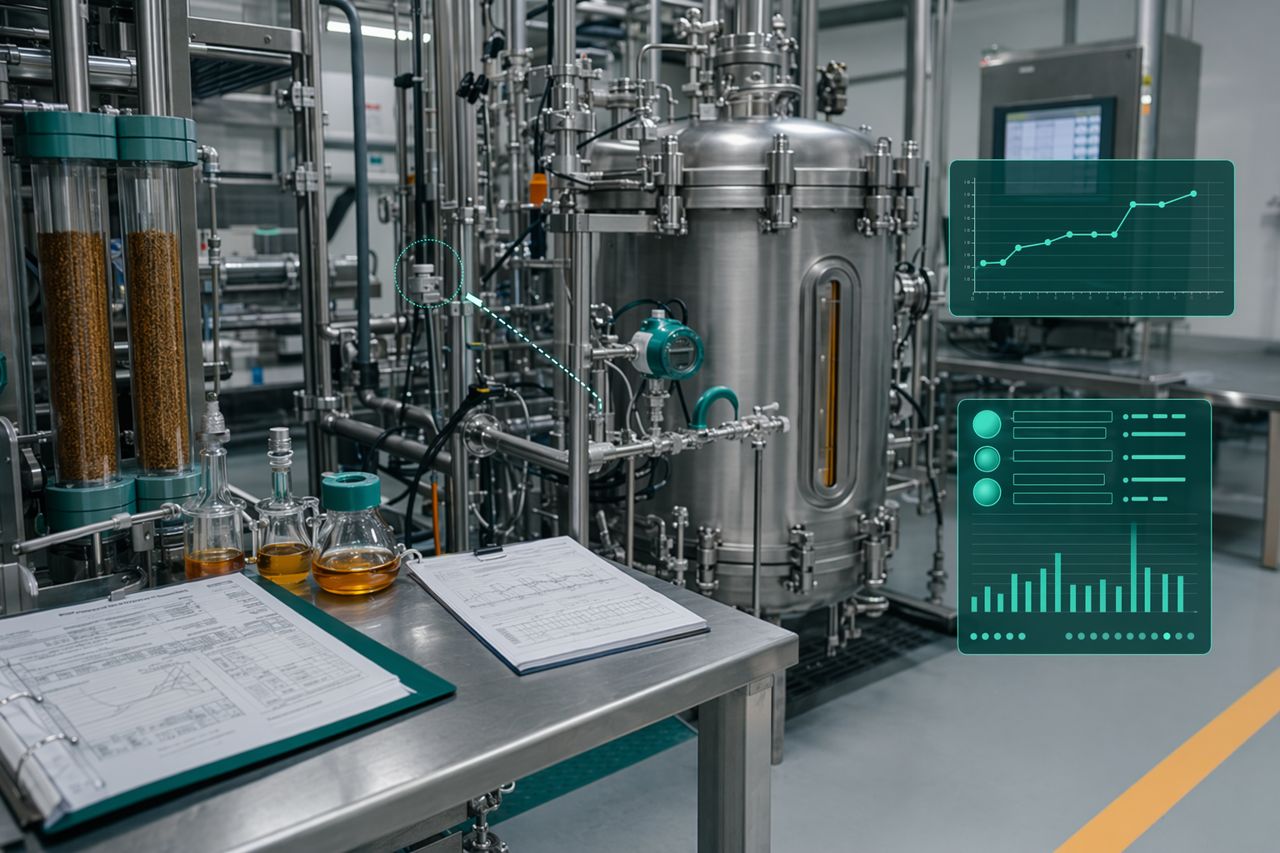
A fermentation media ingredient can look excellent during early screening and still become difficult at production scale. Viscosity, heat transfer, mixing time, solids removal, and microbial control all become more visible as volume increases.
Ingredient buyers therefore ask suppliers to explain scale-up support before approval.
They may request:
- Process development guidance for hydrolysis conditions
- Pilot-to-production comparability data
- Recommended handling and storage practices
- Finished ingredient specifications aligned to fermentation use
- Batch documentation and deviation handling procedures
- Change-control expectations for enzymes, substrates, or manufacturing sites
This is also where enzyme supplier selection matters. A supplier that understands fermentation media production can help design a hydrolysis process around commercial constraints, not only lab conversion. That support may include substrate trials, enzyme system comparison, process troubleshooting, and documentation that helps the ingredient manufacturer answer downstream customer questions.
The fifth question: What documentation comes with it?
Procurement approval depends on documentation as much as technical performance.
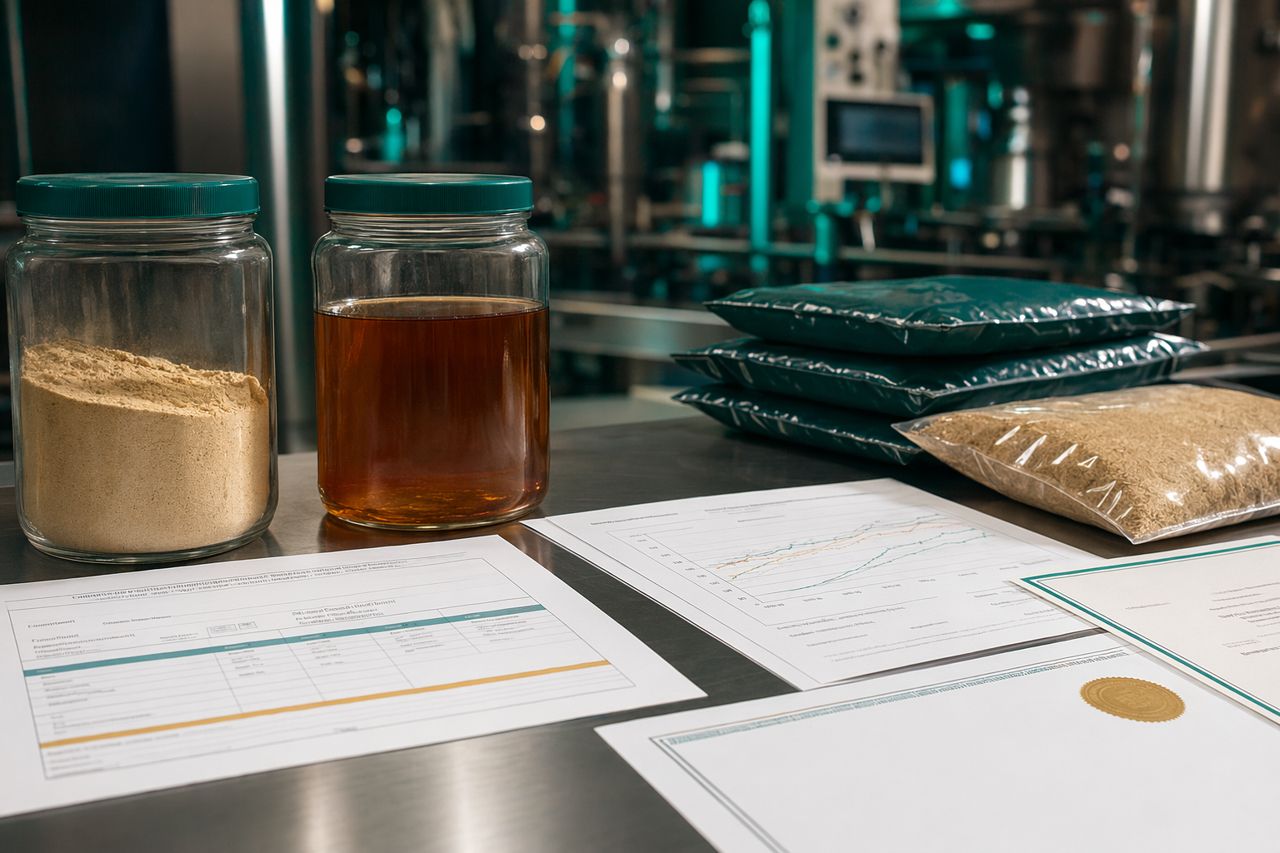
For a new fermentation media nutrient source, buyers commonly expect:
- Product specification sheets
- Raw material and origin information
- Allergen, GMO, and animal-origin statements where applicable
- Food, feed, pharma, or industrial-use suitability statements depending on market
- Safety data sheets
- Manufacturing flow summaries
- Batch traceability records
- Certificates of analysis
- Shelf-life and storage guidance
- Change notification practices
Documentation should be practical, consistent, and easy to review. A buyer should not have to reconstruct the product story from scattered emails. The easier it is to understand the ingredient, the easier it is to move through internal quality, regulatory, procurement, and process development review.
The sixth question: How secure is supply?
Media ingredients become part of recurring production economics. Once an end-user validates a nutrient source, they need confidence that supply will not become fragile.
Buyers often assess:
- Manufacturing capacity and lead times
- Geographic supply exposure
- Secondary substrate options
- Inventory and forecasting process
- Lot reservation or supply agreements
- Packaging formats suitable for their plant
- Quality history and complaint handling
For ingredient manufacturers, this is a chance to differentiate. A controlled enzymatic process can increase usable substrate options, support local sourcing strategies, or improve value from existing raw materials. But these benefits need to be presented with evidence and a realistic supply plan.
What ingredient manufacturers should prepare before buyer review
Before taking a new fermentation media ingredient to market, prepare the approval package as if the buyer will share it across four groups: process development, quality, regulatory, and procurement.
A practical package should include:
- A substrate and sourcing summary
- A hydrolysis process overview without exposing confidential know-how
- Target nutrient profile and finished specification
- Pilot or application data tied to fermentation outcomes
- Handling, storage, and preparation guidance
- Batch traceability and quality documentation
- Change-control and supply continuity position
- A clear commercial fit: where the ingredient performs best and where it should not be used
This level of preparation shortens review cycles. It also makes sales conversations more technical and more useful.
Where enzyme selection creates buyer value
Enzyme systems influence the attributes that buyers care about most: consistency, nutrient availability, processability, and documentation confidence.
For fermentation ingredient manufacturers, enzyme selection can support:
- More predictable protein and starch conversion
- Better control of soluble nutrient fractions
- Lower variability across raw material lots
- Improved viscosity and handling characteristics
- Cleaner separation or filtration behavior
- More consistent fermentation response in customer trials
- A stronger technical story for procurement approval
The value is not enzyme activity for its own sake. The value is a media ingredient that customers can evaluate, document, approve, and reorder with confidence.
Talk to Enzymegen before your next buyer review
Enzymegen supports fermentation ingredient manufacturers developing enzyme-enabled nutrient streams for media production. We help connect substrate selection, hydrolysis control, process scale-up, and documentation so your ingredient is easier for end-users to evaluate.
If you are preparing a new nutrient source, improving batch consistency, or responding to customer procurement questions, start with a focused technical conversation.
Request a quote and tell us your substrate, target nutrient profile, production scale, and intended fermentation application.