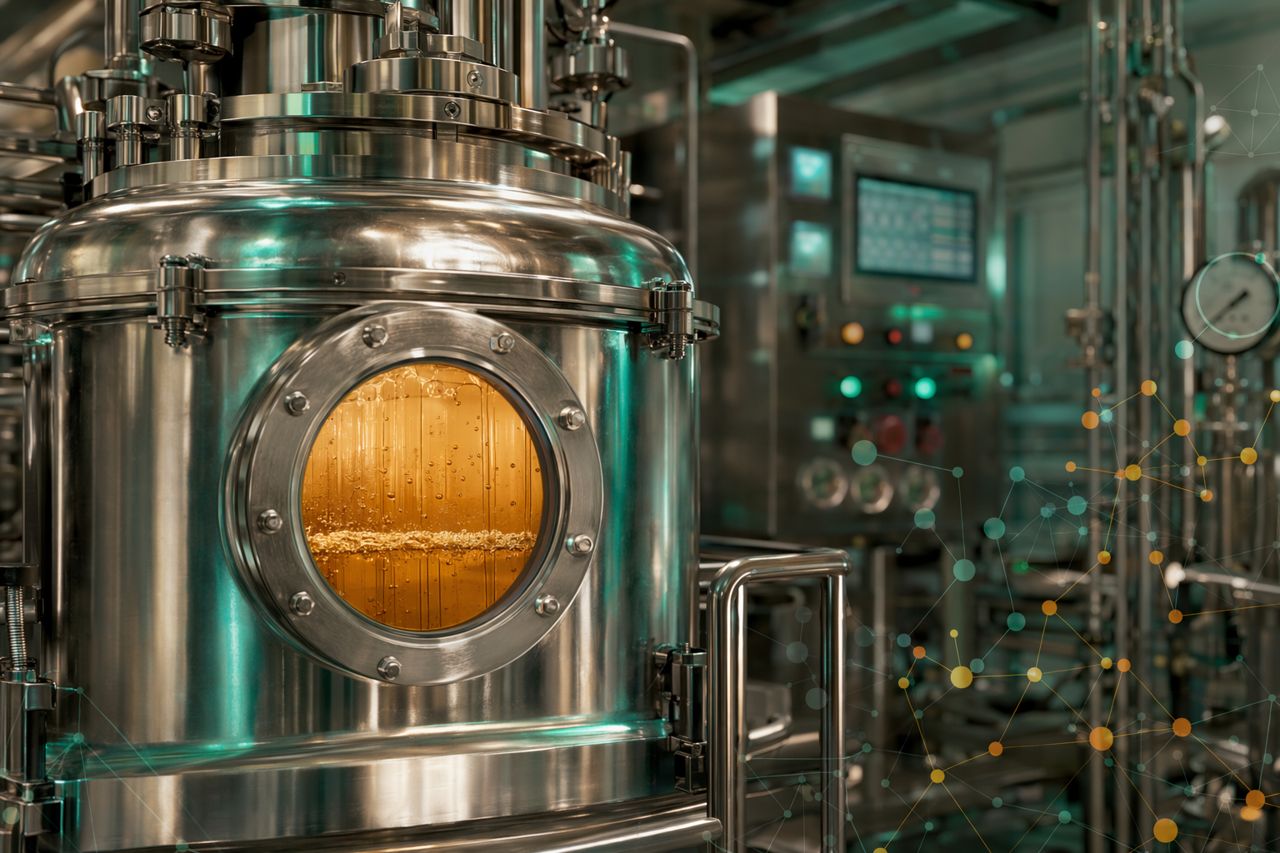
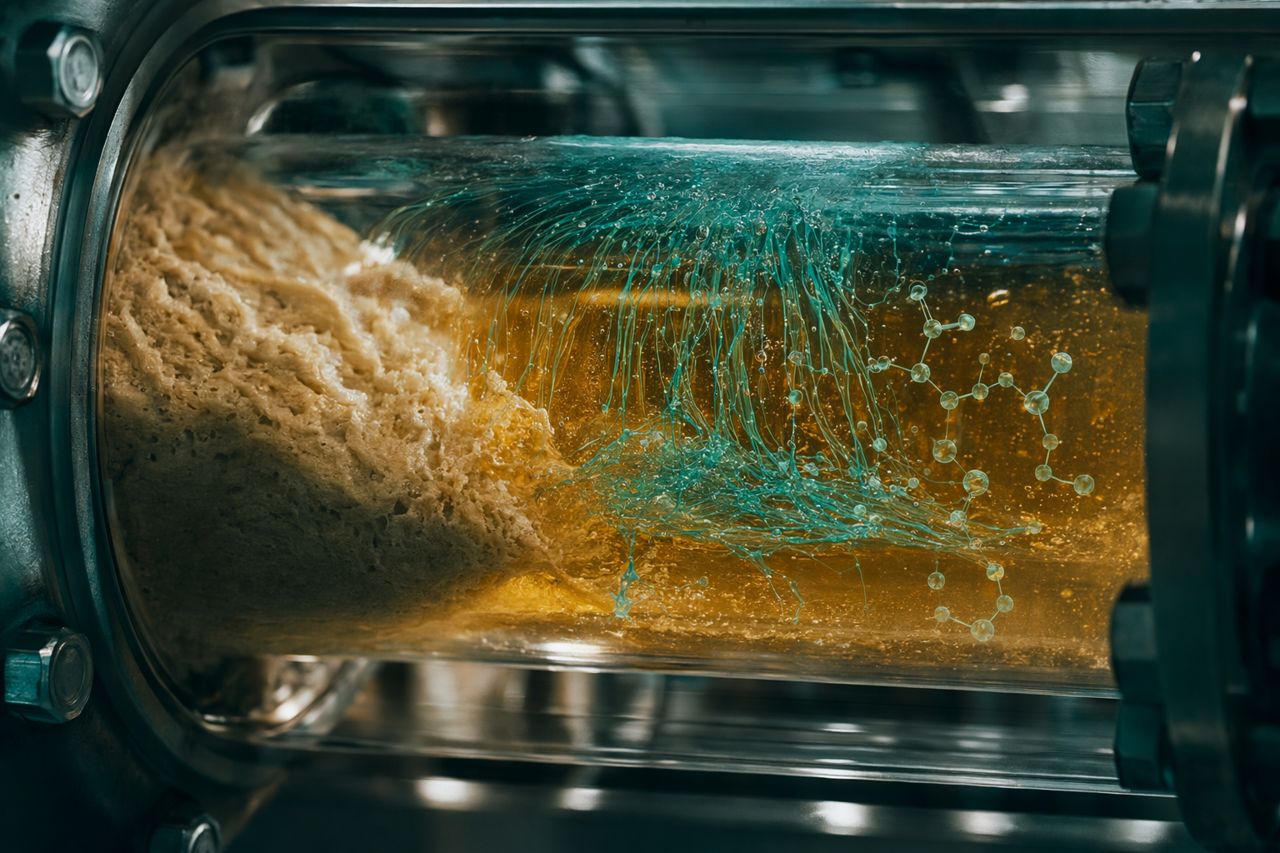
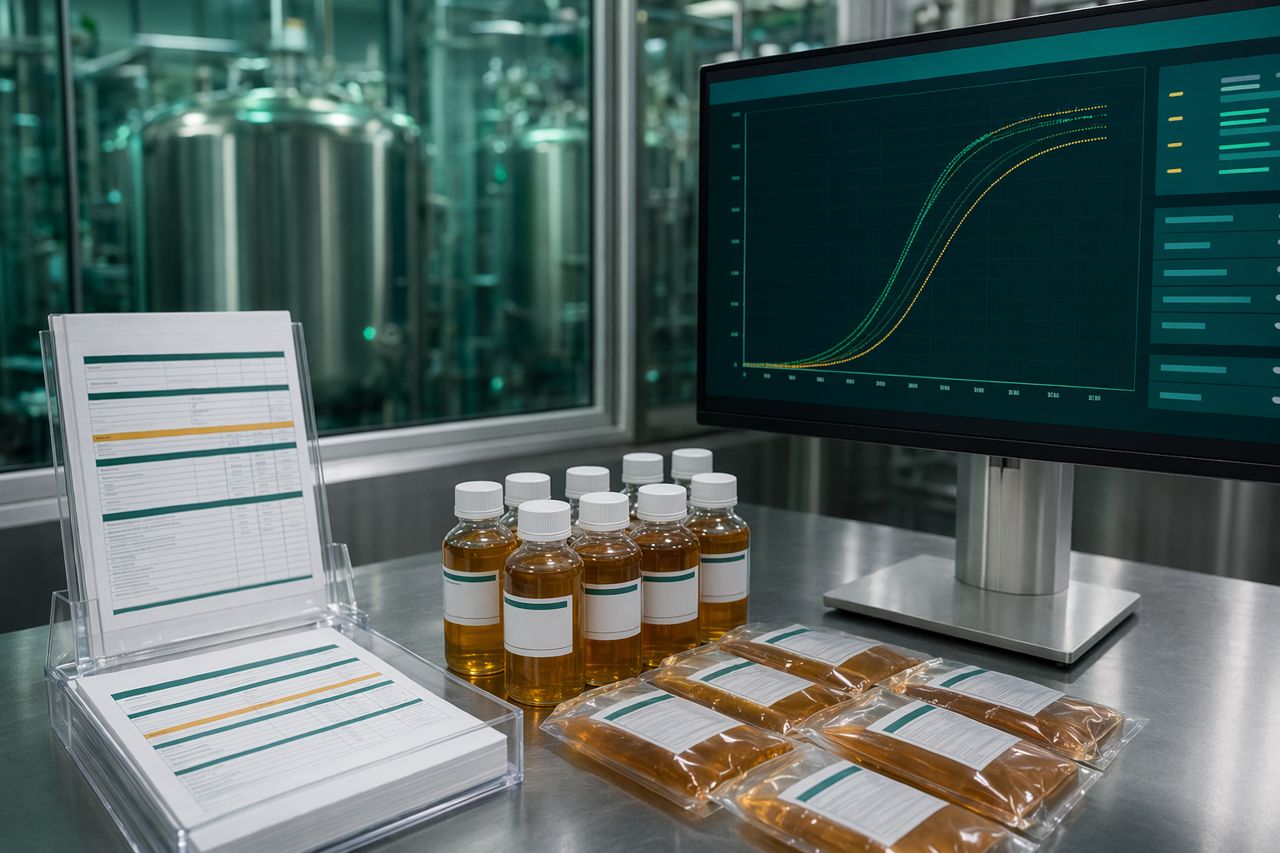
Why nitrogen source reformulation is moving up the agenda
Fermentation ingredient plants are being asked to support a broader and more demanding set of microbial processes than the legacy media market was built around. Precision fermentation, probiotic production, enzyme manufacturing, organic acid production, and alternative protein fermentation all place different pressure on nitrogen quality, peptide profile, free amino nitrogen availability, mineral load, color, odor, allergen position, and batch-to-batch consistency.
For a media manufacturer, this is not only a formulation issue. It is a manufacturing control issue. Buyers want nitrogen sources that disperse cleanly, support predictable growth, avoid avoidable inhibition, and fit the documentation expectations of regulated or export-oriented fermentation programs.
That is why many plants are revisiting how proteinaceous substrates are hydrolyzed, blended, standardized, and released. Enzyme-assisted processing is becoming a practical route to tighter nutrient design without turning the plant into a custom bioprocess development lab.
Enzymegen supports fermentation ingredient manufacturers as an enzyme supplier for fermentation media production, with enzyme solutions selected around substrate fit, hydrolysis control, scale-up practicality, and commercial media performance.
What is changing in microbial fermentation demand
Historically, many fermentation media ingredients were sold into broad microbial applications where cost, nitrogen contribution, and general growth support were the main purchasing criteria. That market still exists, but it is no longer the only center of demand.
Modern fermentation customers increasingly ask for nitrogen sources that support:
- Faster and more consistent seed train development
- Lower variation in production-stage nutrient availability
- Better compatibility with defined or semi-defined media strategies
- Reduced insoluble load and easier downstream clarification
- Controlled color and odor for sensitive applications
- Cleaner label, plant-based, non-animal, or allergen-aware positioning
- Documentation that supports supplier qualification and change control
This pushes ingredient producers to reformulate beyond commodity protein hydrolysates. The question is no longer only whether a material contains nitrogen. The question is how that nitrogen is presented to the organism and how reliably it behaves across production batches.
Why conventional nitrogen sources are being challenged
Many traditional nitrogen ingredients were developed around available raw materials and broad process tolerance. In current fermentation programs, those materials can create avoidable variability.
1. Peptide distribution matters more
Microorganisms do not respond only to total nitrogen. Peptide length, free amino nitrogen profile, soluble fraction, and residual macromolecule content all influence uptake behavior and metabolic response. A hydrolysate that performs acceptably in one organism may slow another, shift by-product formation, or complicate downstream recovery.
For ingredient manufacturers, enzymatic hydrolysis provides a way to tune the nutrient profile while working with familiar raw materials such as soy protein, pea protein, wheat gluten, yeast-derived substrates, corn protein, rice protein, or other plant and microbial proteins.
2. Batch consistency is now a commercial differentiator
Fermentation customers often build media qualification around a specific ingredient lot history. If a nitrogen source changes behavior, the impact can appear as longer lag phase, lower final titer, altered morphology, foam instability, or unexpected clarification burden.
Ingredient plants that can demonstrate tighter internal control over hydrolysis endpoint, solubility, color, odor, and blend consistency are better positioned with process development and procurement teams.
3. Animal-origin and allergen strategies are shifting
Many fermentation buyers are reducing exposure to animal-derived inputs or seeking clearer allergen and origin positioning. This increases demand for plant-based or microbial-derived nitrogen ingredients that still perform like established peptones, extracts, or hydrolysates.
Reformulation is therefore not only about replacing one substrate with another. It is about rebuilding process performance around the new substrate.
4. Documentation expectations are rising
Industrial fermentation customers increasingly require structured specifications, traceability, process change notification, contaminant controls, and clear technical communication. A nitrogen source that is technically strong but poorly documented can still fail supplier qualification.
Enzyme selection and hydrolysis process design should therefore be tied to documentation from the start, not treated as a late-stage quality exercise.
Where enzymes fit in nitrogen source reformulation
Enzymes give fermentation ingredient manufacturers a controlled way to convert protein substrates into soluble, bioavailable nutrient systems. The business value is not simply “more hydrolysis.” It is the ability to shape the hydrolysis pattern around target organisms, process equipment, and customer expectations.
Enzymegen helps manufacturers evaluate enzyme options for:
- Plant protein hydrolysates for microbial media
- Yeast-derived nitrogen ingredients and autolysis support
- Peptone-style products for bacteria, yeast, fungi, and cell culture-adjacent applications
- Protein-rich side stream upgrading
- Low-insoluble media ingredients for clarification-sensitive processes
- Reformulation away from animal-origin nitrogen sources
- Consistency improvement for existing hydrolysate lines
The right enzyme system depends on the substrate, pretreatment, pH and temperature window, desired hydrolysis profile, process residence time, downstream drying method, and the customer’s target fermentation use case.
Substrate fit is the first commercial decision
A strong enzyme program starts with the raw material. Protein structure, anti-nutritional factors, lipid content, starch or fiber carryover, mineral load, and heat history all influence hydrolysis behavior.
For example, soy, pea, wheat, corn, rice, yeast, and single-cell protein streams do not respond in the same way. A protease blend that gives a clean soluble profile in one substrate may leave bitterness, haze, insoluble load, or inconsistent uptake behavior in another.
Enzymegen works with manufacturers to match enzyme functionality to substrate reality. The goal is not to force a standard enzyme into every raw material. The goal is to support a repeatable manufacturing route that produces the nutrient profile the market is asking for.
Hydrolysis control is where value is created
In fermentation media production, uncontrolled hydrolysis can create as many problems as it solves. Over-processing can raise unwanted small-molecule load, increase taste or odor issues, alter Maillard behavior during drying, or create inconsistency when raw material lots shift. Under-processing can leave insoluble protein, slow microbial uptake, or reduce media clarity.
A commercially useful enzyme program should help the plant define and control:
- Soluble nitrogen release pattern
- Peptide size distribution range
- Residual insoluble material
- Viscosity change during processing
- Color development risk during concentration or drying
- Filtration and centrifugation behavior
- Compatibility with blending and standardization
- Lot-to-lot nutrient consistency
This is where process development managers gain leverage. A controlled hydrolysis step can convert variable agricultural or microbial inputs into a more predictable fermentation ingredient platform.
Reformulation drivers by application area
Precision fermentation
Precision fermentation programs often depend on highly controlled media to protect productivity, expression performance, and downstream economics. Nitrogen ingredients must support consistent growth without introducing avoidable unknowns. Media producers serving this segment are moving toward tighter specifications, cleaner origin stories, and better-defined hydrolysate behavior.
Probiotics and live microbial products
Probiotic manufacturers care about growth, viability, stress tolerance, and compatibility with downstream stabilization. Nitrogen sources must support organism-specific growth while avoiding materials that create processing complications or regulatory friction. Plant-based hydrolysates and yeast-derived nutrients are common reformulation targets.
Industrial enzyme production
Enzyme producers often use robust microbial systems, but performance still depends on consistent feedstock quality. Nitrogen variability can affect biomass formation, expression timing, broth rheology, and impurity profile. Ingredient suppliers that offer dependable hydrolysates can reduce qualification risk for these customers.
Organic acids and metabolites
Organic acid and metabolite producers typically scrutinize cost contribution, impurity burden, and downstream impact. Nitrogen sources must support productivity without increasing purification complexity. Enzyme-assisted hydrolysis can help convert local protein streams or co-products into more controlled nutrient inputs.
Alternative protein fermentation
Alternative protein fermentation places high attention on scalability, non-animal inputs, sustainability claims, and supply resilience. Media ingredients must perform technically while fitting the customer’s sourcing narrative. Reformulated plant or microbial nitrogen sources can help media manufacturers meet this demand.
What buyers now expect from a nitrogen ingredient supplier
Fermentation customers are no longer satisfied with a generic product sheet and a broad application claim. They want supplier conversations that connect ingredient design to their process outcomes.
Common buyer questions include:
- Which substrate is used, and how stable is the supply?
- How is hydrolysis controlled from batch to batch?
- What specifications are monitored for nutrient consistency?
- How does the material behave in sterilization or heat treatment?
- Will it add insoluble load, color, odor, foam, or clarification burden?
- Can the supplier support reformulation trials and scale-up?
- What change control and documentation are available?
Ingredient manufacturers that prepare for these questions can move from commodity selling to technical supply partnership.
Practical reformulation paths for ingredient plants
Not every plant needs a complete product redevelopment program. Many reformulation projects begin with one of four practical paths.
Improve an existing hydrolysate line
The plant keeps the same raw material family but improves enzyme selection, hydrolysis control, endpoint definition, or blending strategy. This path is often used when buyers like the product category but want tighter lot consistency.
Replace animal-origin nitrogen sources
The plant develops plant-based or microbial-derived alternatives for customers seeking non-animal media systems. This requires close attention to nutrient profile, solubility, odor, color, and fermentation response.
Upgrade a side stream into a media ingredient
Protein-rich side streams can become fermentation nutrients when hydrolyzed and standardized correctly. This route can create value from existing process materials, but it requires disciplined control of impurities, variability, and downstream handling.
Build an application-specific ingredient family
The plant creates different nitrogen products for bacteria, yeast, fungi, probiotics, or precision fermentation customers. Enzyme selection and process design are used to create differentiated nutrient profiles rather than one general-purpose hydrolysate.
How Enzymegen supports enzyme selection and scale-up
Enzymegen works with fermentation ingredient manufacturers that need enzyme solutions grounded in plant operation and customer qualification realities. Our support focuses on helping teams move from substrate question to production-ready enzyme use.
Support areas include:
- Substrate and process review before enzyme selection
- Protease and enzyme system recommendation based on target media outcome
- Hydrolysis control strategy aligned with plant equipment
- Pilot-to-production scale-up support
- Guidance on handling, dosing approach, process timing, and deactivation strategy
- Troubleshooting for solubility, viscosity, insoluble load, odor, color, and batch variation
- Documentation support for technical files and customer-facing qualification discussions
We keep the work practical. The aim is to help your plant manufacture nitrogen ingredients that are easier for fermentation customers to qualify, buy, and use at scale.
Commercial outcomes that justify reformulation
Reformulating nitrogen sources requires development time, plant trials, and internal alignment. The commercial case is strongest when the project links directly to buyer value.
Well-controlled enzyme-assisted reformulation can support:
- More consistent fermentation performance for customers
- Stronger positioning in precision fermentation and advanced microbial markets
- Reduced dependence on legacy animal-origin inputs
- Better use of regional protein substrates and side streams
- Improved product differentiation versus commodity hydrolysates
- Easier supplier qualification through clearer specifications and documentation
- Better technical conversations with process development and procurement teams
The plants that win in this market will not only offer nitrogen. They will offer controlled nutrient systems built for modern microbial manufacturing.
Planning a nitrogen source reformulation project
If your team is evaluating enzyme-assisted hydrolysis for fermentation media ingredients, start with the commercial target before selecting the enzyme.
Define:
- The target customer segment and organism class
- The raw material or substrate family
- The required origin, allergen, and documentation position
- The process constraints in your plant
- The nutrient consistency and physical handling targets
- The intended product format, such as liquid, paste, powder, or blend
- The qualification data your buyers will expect
With those boundaries in place, enzyme selection becomes more focused and scale-up risk becomes easier to manage.
Talk with Enzymegen about enzyme options for fermentation media ingredients
Enzymegen supplies enzyme solutions for manufacturers developing or improving nitrogen sources for microbial fermentation media. If you are reformulating plant protein hydrolysates, yeast-derived nutrients, peptone-style ingredients, or side stream-based media inputs, our team can help assess substrate fit and practical enzyme routes.
Use the on-site request a quote form to share your substrate, target application, current process stage, and commercial objective. We will respond with a focused technical and commercial starting point for your project.